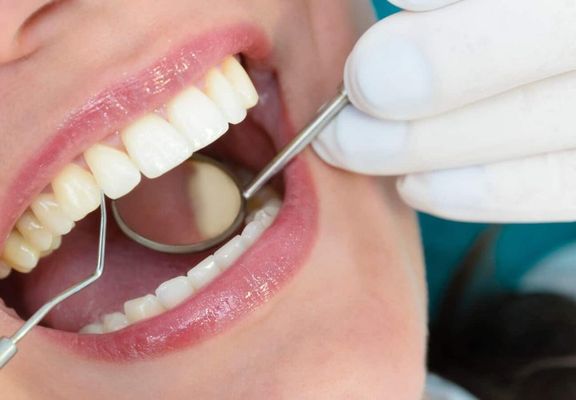
The oral mucosa is a sensitive tissue and serves as an entry point to the oesophagus, stomach, and intestinal tract. Through the mucous membranes, nutrients are absorbed while viruses and bacteria are kept at bay. The mucosa also covers the tooth-bearing part of the jaw and, together with the teeth, forms the periodontal system.
Diseases of the oral mucosa can therefore disrupt this delicate system, which is why regular check-ups and treatment of existing conditions are essential for maintaining good oral health. For prevention, we recommend a balanced diet, avoiding excessive alcohol and nicotine consumption, and scheduling regular professional dental cleanings.
Diagnosing mucosal diseases requires specialised expertise and many years of experience. A thorough medical history, a detailed clinical examination, and swab tests form the basis of every treatment. In some cases, tissue samples and imaging techniques are also necessary to ensure accurate diagnosis.
What causes oral mucosal diseases?
- Inflammations
- Infections caused by fungi, bacteria, and viruses
- Keratinisation disorders of the mucosa
- Use of nicotine, drugs, and alcohol
- Skin and systemic diseases
- Oral cancer
What types of oral mucosal diseases exist?
Oral mucosal diseases are usually caused by bacteria, viruses, or autoimmune disorders. Fungal infections, in particular, can affect the mucous membrane and lead to what is known as oral thrush. There are also small blisters that develop due to irritation — these are whitish and painful and are referred to as aphthae. In rare cases, changes in the oral mucosa may also indicate oral cancer.
What are the symptoms of oral mucosal diseases?
Symptoms can vary widely, ranging from painless redness and bleeding tissue to blisters that hurt when touched. Bad breath and loss of appetite may also occur. As a rule of thumb: anyone noticing unusual changes in the oral mucosa should consult a specialist — in most cases, the cause can be identified and treated quickly and effectively.
What treatment options are available?
Small wounds and aphthae usually heal on their own without complications. Specifically targeted medication can be prescribed to treat viral, fungal, or bacterial infections. Maintaining excellent oral hygiene is essential to prevent the infection from spreading. Disinfectant and pain-relieving mouth rinses can also help alleviate symptoms. Only in the case of cancer may surgery be required. In such instances, the tumour is carefully removed while preserving the surrounding tissue. If the tumour proves malignant, further treatment such as radiotherapy or chemotherapy may be necessary depending on the stage of progression.
Are there preventive measures?
Regular and thorough brushing, the use of dental floss or interdental brushes, and professional dental cleanings all help keep the mouth clean, reducing the likelihood of bacterial, viral, or fungal infections. Nutrition also plays an important role: a strong immune system protects the body against pathogens. Dentures should always be individually and precisely fitted to prevent friction that could irritate the oral mucosa.
Does every oral mucosal disease need to be treated?
As mentioned earlier, small wounds, blisters, and aphthae generally heal on their own within a few days. However, treatment is advisable in the case of fungal or bacterial infections to prevent further spread. This also helps protect others from possible infection. Cancerous conditions, on the other hand, must of course always be treated without delay.
How can dental misalignments be corrected?
Our clinic is certified for the Invisalign system, which is used to correct anything from minor to more complex dental misalignments. Using an intraoral scan followed by a detailed analysis, we create an individual treatment plan. The planned outcome is presented to the patient through a simulation of tooth movements and portrait images showing the expected results.
What exactly is Invisalign?
Invisalign is a modern orthodontic treatment system designed to correct dental misalignments. The patient receives a series of custom-made, removable aligner trays. These aligners are made from a special transparent plastic material that is almost invisible when worn, gently guiding the teeth into the desired position over time.
The main advantages of Invisalign compared to traditional fixed braces are:
- Aesthetics: The aligners are transparent and therefore hardly noticeable in the mouth.
- Comfort: Made from smooth plastic and containing no metal, they are generally more comfortable to wear.
- Removability: The aligners can easily be removed for eating, drinking, brushing, and cleaning between teeth with floss or interdental brushes, making oral hygiene much easier.
- Efficiency: Treatment time is often shorter than with traditional brackets and wires – depending on the complexity of the case.
Overall, Invisalign offers a discreet and flexible alternative to conventional orthodontic treatment.
Book a free, no-obligation consultation with our Invisalign specialists today.


