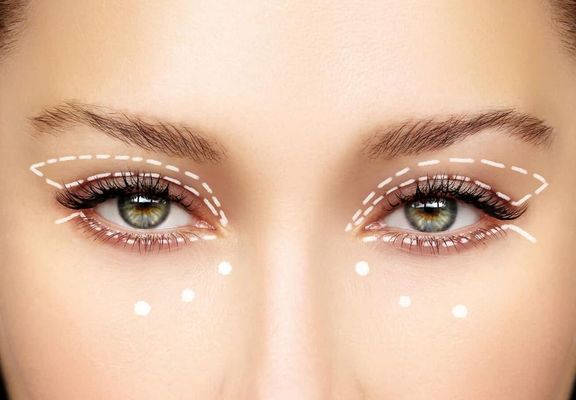
Bags under the eyes and drooping eyelids are common aesthetic concerns, though in some cases — particularly with heavy upper lids — a medical correction may be necessary. In our practice, we perform eyelid lifts to address these issues. The procedure can be carried out on both the upper and lower eyelids and is considered low-risk. It is important, however, to rule out any pre-existing eye conditions beforehand.
To tighten the delicate skin around the eyes, Dr Dr Laube uses gentle surgical techniques to remove excess tissue. Depending on the individual case, it may also be advisable to remove small fat deposits located behind the eyelid to achieve a balanced and harmonious aesthetic result. Our priority is to preserve your natural facial features and simply restore a fresher, more alert, and youthful expression. Even a small eyelid correction can make a remarkable difference.
The impression we form of a person's face comes from the interplay of all its features. Every area influences the others, creating a unique overall expression. The eye region, in particular, reflects emotion and life experience. Over time, the eyes may take on a tired or tense look as the tissue loses its firmness. Many patients wish to maintain a naturally refreshed appearance — looking rested and rejuvenated without appearing "different."
The final results of an eyelid lift become visible after around two to three months. In most cases, scars are barely noticeable and can be further improved through consistent scar care. This may include the application of healing ointments and avoiding strain immediately after surgery. The results are typically long-lasting — especially when pronounced under-eye bags have been corrected. If excess skin on the upper eyelids reappears over time, a secondary procedure may be advisable after ten to fifteen years.
What preliminary examinations are required before eyelid surgery?
Before undergoing surgery, an ophthalmological examination is essential. This assessment rules out conditions such as arteriosclerosis of the eye's blood vessels. The ophthalmologist can also check for retinal diseases or abnormalities in the back of the eye. Additionally, any impairment of your visual field or tear production can be detected. Please bring the ophthalmologist's report with you to your pre-surgery consultation.
Simple tests are used to assess the elasticity of the eyelids and the degree of excess skin, as well as to determine whether small fat deposits should be removed. The extent of the eyelid correction depends heavily on your individual anatomy. Precise preoperative measurement of the skin around the eyes ensures a symmetrical and balanced result.
What is the procedure for eyelid surgery?
Before any aesthetic surgical procedure, a detailed consultation is essential to discuss your goals and expectations and to evaluate the likely outcome of the treatment.
The next step involves taking preoperative photographs ("before pictures") to document your treatment progress.
The procedure is usually performed under local anaesthesia but can also be done under twilight sedation or general anaesthesia if preferred.
For upper eyelid surgery, the predetermined excess skin is carefully removed, and if necessary, small fat deposits located behind the upper eyelid are also excised. The incision is closed with ultra-fine, atraumatic sutures, which remain in place for approximately five to seven days.
The same approach applies to the lower eyelids, where excess skin and fatty tissue are also removed to create a smoother, more youthful appearance.
Are there any contraindications to eyelid surgery?
Certain medical conditions may make eyelid surgery inadvisable. The following factors can represent contraindications:
- High-dose anticoagulant medication
- Heavy smoking (which delays wound healing)
- Severe high blood pressure (hypertension)
- Arteriosclerosis (hardening of the arteries)
- Diabetes mellitus
- Rheumatism
Certain medications may also make an upper eyelid correction inadvisable, including:
- High doses of cortisone
- Psychotropic medication
- Immunosuppressants
In addition, certain pre-existing medical conditions should be clarified before proceeding with eyelid surgery, such as:
- Chronically dry eyes
- Neurological impairments affecting eye movement
- Significant respiratory or cardiovascular disorders
- Pronounced bleeding tendency (e.g. haemophilia)
Is the procedure performed on an outpatient or inpatient basis?
Eyelid surgery is usually carried out on an outpatient basis. This means you can go home the same day. However, it is important that you arrange for someone to accompany or collect you, as your eyes may be watery or sensitive to light immediately after the procedure.
What should I keep in mind after an eyelid lift?
As mentioned earlier, your eyes may be sensitive and prone to tearing for a short time. Protect them by wearing sunglasses and avoid sunbathing. You may wear contact lenses again once your eyes feel comfortable and are no longer irritated. Consistent scar care will help the already fine incision lines fade even more over time.
When can I resume social activities?
Most patients are ready to return to social activities after about two weeks. Any residual redness or fine scars can easily be covered with make-up at that stage.
Does health insurance cover the cost of eyelid surgery?
Health insurance providers only cover the cost of an eyelid lift when there is a clear medical necessity — for example, if drooping upper lids significantly impair your field of vision or cause recurring inflammation of the conjunctiva or eyelid margin.
When will I see the final results?
The final results become visible after approximately two to three months, once any residual swelling has fully subsided.
Will I need another operation in the future?
A second procedure is rarely necessary — especially if pronounced under-eye bags have already been corrected independently of any excess skin. However, a follow-up procedure may be considered after ten to fifteen years to maintain the results over time.


